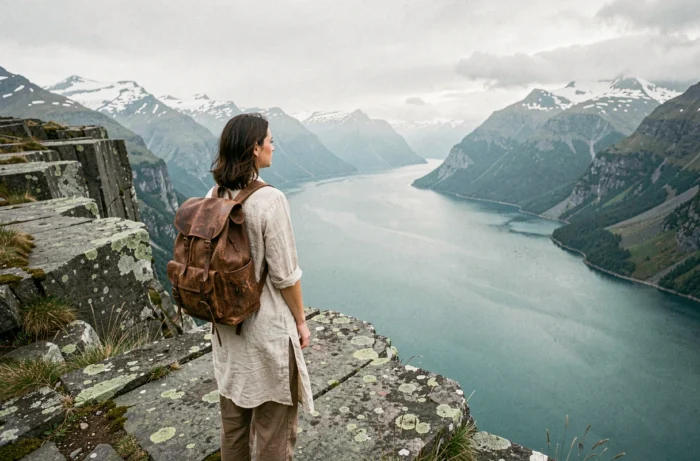
Going far away is no longer enough to create a memorable experience. What distinguishes an extraordinary trip from a simple tourist stay is the nature of the experience lived on site. Engaging hikes, cultural immersion, safaris in the heart of a national park, or craft workshops in a remote village: adventure takes very different forms depending on what you are truly seeking.
Active travel and sportcation: when physical effort becomes the heart of the stay
Have you noticed that travel catalogs are increasingly offering packages centered around a sporting activity? This phenomenon has a name in the industry: sportcation. The idea is simple: physical activity is no longer a bonus, it is the reason for the trip.
In concrete terms, this results in trekking stays in Nepal organized around passes to cross, weeks of sea kayaking along Icelandic coasts, or cycling tours on the volcanic roads of Madeira. Bookings for these types of active trips are growing significantly year after year, driven by travelers who want to return with fatigue in their legs rather than in their eyes.
This trend is also changing the way destinations are chosen. Japan, for example, attracts as much for its pilgrimage trails (Kumano Kodo, Shikoku) as for its temples. Kenya is no longer just about 4×4 safaris: agencies now offer trekking on foot in the highlands, combined with a few nights in a reserve. Several itineraries around the world can be consulted on the Nos Aventures Légendaires website, featuring packages that place physical effort at the center of the program.
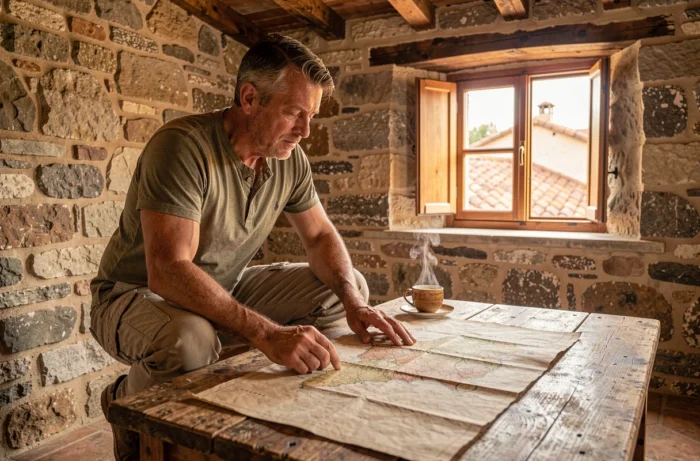
Craft classes and local workshops: the extraordinary journey through activity
Tripadvisor reported in 2026 that craft classes are among the most dynamic experiences of the first half of the year. This figure reflects a shift: travelers want to create, learn, and leave with a skill, not just with photos.
Why this choice? Because a pottery workshop in Zanzibar or a cooking class in a family home in Sri Lanka creates a much stronger memory anchor than a traditional guided tour. Direct contact with a local artisan for two or three hours changes the perception of a country.
- Indigo dyeing workshops in Japan, where the ancestral technique requires a full day of learning under the guidance of a master dyer
- Basket weaving classes in Madagascar, often offered in villages near national parks, between two days of hiking
- Creole cooking sessions on an island like Bora Bora or Mauritius, using products purchased in the morning at the market
These short and concrete experiences easily fit into a family or couple’s stay. They require neither specific physical condition nor special equipment.
Eco-adventure and nature destinations: what the new European regulation changes
The adventure travel sector is showing sustained growth, driven by the search for immersion and more sustainable practices. Responsible safaris in Kenya, stays in solar lodges in Iceland, zero domestic flight tours in Portugal: eco-adventure has become a distinct segment.
One point deserves your attention. The European regulation on sustainability claims will tighten starting September 27, 2026. Vague formulas like “green travel,” “climate-neutral stay,” or “sustainable destination” will no longer be accepted without concrete evidence. For travelers, this is good news: the offers that survive this filter will be those that genuinely prove their commitments.
Identifying a serious offer before booking
Before confirming a stay presented as responsible, check a few specific points:
- Does the provider mention identifiable certifications (national label, ISO standard) or does it rely on generic terms?
- Are the nights in accommodation in local structures or in standardized complexes?
- Does the proposed tour include a portion allocated to a national park or a local community, with a displayed amount or percentage?
These checks take a few minutes and help avoid funding greenwashing disguised as adventure.
Custom stay or organized trip: choosing based on the country and level of autonomy
A self-guided trek in Nepal is not prepared the same way as a guided tour in Japan. The choice between a custom trip and an organized package depends on the country, not just the budget.
In destinations where tourist infrastructures are dense (Japan, Iceland, Portugal), a self-constructed stay works well. Transportation is reliable, accommodations can be booked online, and information is available in English or French.
In countries where logistics are more complex (Madagascar, Bolivia, certain regions of Kenya), a tour guided by a specialized agency significantly reduces risks. This also applies to family stays, where managing unforeseen events weighs more heavily.
Three criteria to decide
Rather than comparing prices alone, assess your comfort level with three parameters: the language barrier on site, the reliability of internal transportation, and the availability of medical assistance in the area visited. If two of these three parameters raise questions, professional support truly secures the stay.
The extraordinary journey is not reserved for seasoned adventurers or unlimited budgets. A week of craft classes in Zanzibar, a trek of a few nights in a Malagasy national park, or an active tour in the heart of Japan transforms a classic stay into a sustainable adventure. The only condition: choose the experience before the destination.