
The paper catalog has not disappeared. It has changed its function, weight, distribution circuit, and target audience. Reducing the subject to a paper versus digital duel ignores the technical and strategic mutations that have been redefining this medium since the beginning of the 2020s.
Paper Catalog in B2B: A Premium Prospecting Tool That Endures
Consumer articles focus on mass distribution and the abandonment of leaflets in mailboxes. They overlook a counter-movement: in B2B, the printed catalog is returning as a high-end prospecting medium. Bound brochures, thick paper, layouts crafted by specialized studios, the physical document is once again becoming a marker of credibility at trade shows and in long sales cycles.
Read also : Discover the Unexpected Health and Wellness Benefits of Whisky
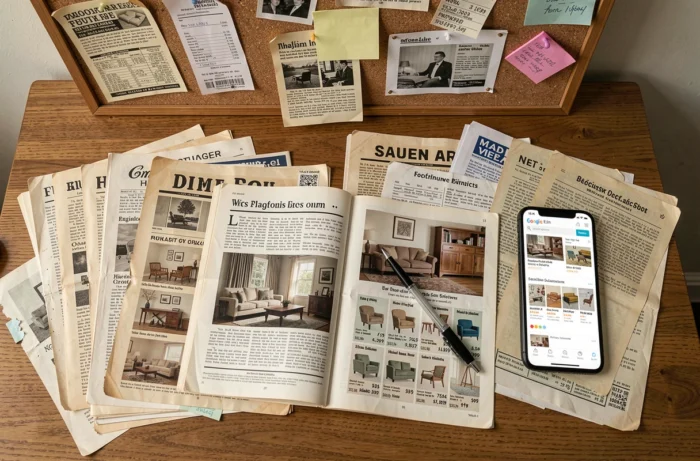
This resurgence can be explained by the saturation of digital channels. A promotional email has a lifespan of just a few seconds. A catalog placed on a prescriber’s desk remains visible for several weeks. We observe this dynamic in sectors such as furniture, architecture, industrial packaging, or automotive, where the printed document serves as a collective decision-making support: it is annotated in meetings, circulated between departments, and revisited during budget arbitration.
When trying to understand why the catalog still exists today, this B2B dimension provides part of the answer: the physical medium fulfills a role that PDFs or websites do not cover.
Read also : The Latest Trends and Essential Tips in the World of Computing
Oui Pub Initiative and Reconfiguration of Paper Distribution
The Oui Pub initiative, launched in September 2022 across about fifteen test areas representing approximately 2.6 million inhabitants, has not killed the catalog. It has accelerated a sorting process already underway. Brands that were massively distributing generalist leaflets have reduced their volumes. Those investing in targeted editorial content have maintained or even strengthened their paper presence.
The decrease pertains to quantity, not the format itself. Between 2019 and 2022, the volumes distributed in France fell by several billion copies. E.Leclerc ceased mailbox distribution as of September 2023 across all its stores. Ikea had already stopped its iconic catalog in 2021.
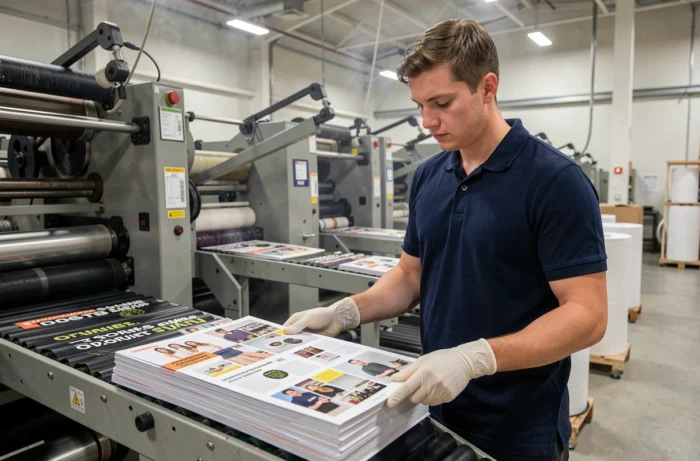
Meanwhile, the catalogs that survive are moving upscale. The paper used is thicker, the content better segmented, and the distribution targeted rather than mass. We are transitioning from disposable prints to objects that recipients keep, sometimes for several months.
Paper Catalog in Technical Sectors: A Work Tool, Not an Advertising Medium
Design, construction, professional fashion, technical industry: in these fields, the catalog remains a shared work tool. The reason is simple: a screen shows one reference at a time, while an open catalog allows for visual comparison of multiple ranges on a conference table.
We recommend distinguishing three uses that still justify printing:
- The technical range catalog (materials, components, tools) distributed to design offices, where product sheets are annotated and physically archived.
- The seasonal lookbook in fashion or decoration, designed as an editorial object that enhances the brand as much as it showcases the products.
- The trade show catalog, printed in limited quantities, which serves as a conversation starter at a booth and extends commercial contact after the event.
In these three cases, the printing cost per copy is significantly higher than that of a mass distribution leaflet. The return on investment is measured differently: document lifespan, conversion rate on quotes, brand recall.
Digital Alternatives to the Paper Catalog: Limits and Complementarities
The digital catalog (flipbook, interactive PDF, dedicated app) offers measurable advantages: zero marginal cost per additional copy, real-time updates, traceability of consultations. The measurability of digital surpasses that of paper across all quantitative indicators.
However, digital suffers from structural weaknesses that proponents of all-digital often underestimate:
- The open rate of a catalog sent by email remains low if the recipient has not explicitly requested the document.
- Mobile viewing degrades the experience for catalogs rich in visuals or technical specifications.
- The lack of materiality reduces retention duration: a paper catalog placed in a showroom generates repeated consultations over several weeks, whereas a digital link is forgotten after the first click.
The most advanced brands adopt a hybrid approach. Digital ensures broad coverage and personalization by trade area. Paper targets high-value segments, loyal customers, or identified prospects, with editorial content distinct from simple promotional listings.
History of the Paper Catalog: From Artisan Leaflet to Mass Media
The advertising leaflet has existed in France for over two centuries, but its form has radically evolved. The first ephemeral prints of the 19th century were hand-distributed flyers, often poorly preserved by archives. The Museum of Printing and Graphic Communication in Lyon holds some of the rare copies documenting this period.
The rise of mass distribution in the second half of the 20th century transformed the leaflet into an industrial product printed in millions of copies. The catalog then became a weekly event for households, serving a function comparable to that of free media.
This history sheds light on the present. The paper catalog has never been a fixed format. It has adapted to printing techniques, distribution circuits, and reader expectations at every era. The current phase, marked by reduced volumes and increased quality, fits into this logic of continuous adaptation rather than a scenario of disappearance.